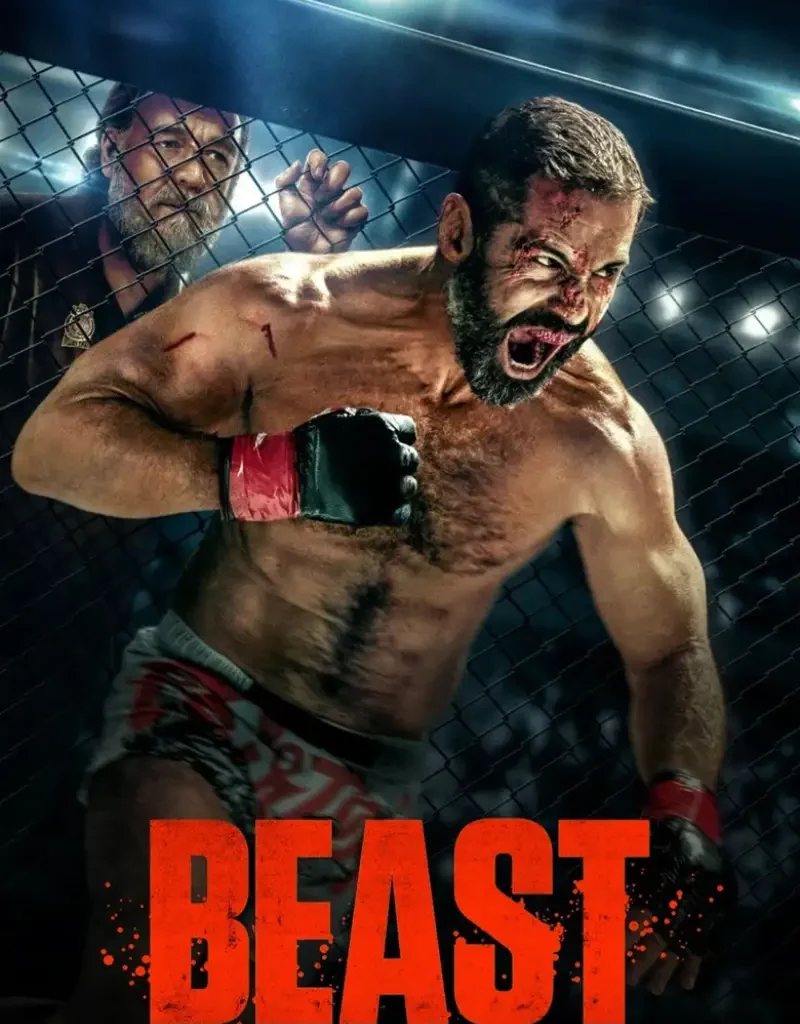
Introduction to the Experience
Any modern sports drama must work incredibly hard to stand out, and the release of beast 2026 faces this exact challenge head-on. Director Tyler Atkins takes on this monumental task with a gritty, uncompromising look at the world of mixed martial arts. He completely avoids the glossy, over-produced aesthetics that often ruin modern fighting films.
Instead, the production grounds itself in the muddy, exhausting reality of commercial fishing and underground combat. Patton James, played by Daniel MacPherson, is a man desperately trying to escape a violent past. He is forced back into the cage only when his brother faces extreme physical and financial danger.
This reluctant hero trope is a staple of the genre, but Atkins executes it with a refreshing sense of physical weight. The initial training sequences feel genuinely exhausting, emphasizing sweat and fatigue over cinematic slow-motion montages. We are immediately invested in Patton’s grueling physical deterioration.
Quick Facts
| Feature | Details |
|---|---|
| Director | Tyler Atkins |
| Lead Actors | Russell Crowe, Daniel MacPherson |
| Primary Setting | ONE Championship, Bangkok |
| Runtime | 114 Minutes |
| Release Year | 2026 |
As the table highlights, the 114-minute runtime provides just enough breathing room for character development before the main event. It manages to balance the intense physical training sequences with necessary domestic drama. However, that balance is not always maintained perfectly throughout the second act.
There are definitely moments where the narrative momentum completely stalls in favor of repetitive family arguments. The stakes are already clearly established, making these extra domestic conflicts feel somewhat redundant. The film shines brightest when it remains focused on the impending ONE Championship bout.
Cinematography & Audio Engineering
The camera work during the actual fight sequences deserves immense technical praise from any serious critic. The cinematographer consistently chooses wide angles that actually let the audience see the choreography unfold naturally. There are no frantic, shaky-cam cuts designed to hide poor physical execution from the actors.
When Patton takes a heavy hit, the camera lingers just long enough to register the devastating physical impact. You can clearly track the spatial geography of the octagon, which keeps the viewer fully oriented during complex grappling exchanges. This visual clarity elevates the tension significantly.
Matching this visual precision is a brutally heavy audio mix that emphasizes the sickening thud of bone on bone. The sound team stripped away the typical hyped-up soundtrack during the actual fights. Instead, they amplified the raw sounds of heavy breathing, canvas squeaks, and corner shouts.
Russell Crowe’s booming voice echoing across the quiet arena creates a haunting sense of isolation for the fighter. The deliberate lack of background music makes the violence feel uncomfortably intimate and dangerous. It is a masterful technical decision that pays off spectacularly on screen.
Script Editing & Pacing Issues
While the technical presentation is sharp, the screenplay written by Russell Crowe and David Frigerio occasionally fumbles its pacing. The first act rushes through Patton’s initial refusal to fight, resolving his internal conflict far too quickly. A bit more hesitation would have made his ultimate decision carry heavier emotional weight.
Furthermore, the subplot involving Patton’s wife and her own career ambitions feels wildly disconnected from the central narrative. These scenes completely halt the momentum of the fight preparation and serve only as clunky exposition dumps. Better script editing would have trimmed these distractions significantly.
The dialogue also heavily relies on generic locker-room platitudes that feel incredibly dated to modern audiences. We hear countless variations of ‘leave it all in the ring’ that undermine the otherwise gritty realism of the production. The actors do their best to sell the lines, but the writing is undeniably weak in several scenes.
Survival in the octagon requires sharp instincts, and the script desperately needed that same ruthless editing instinct. If the production team had trimmed fifteen minutes of bloated dialogue, the final product would have been absolutely relentless.
Analyzing the beast 2026 Experience
When comparing beast 2026 against other fighting films, it certainly earns its place as a solid contender. The sheer physical commitment required to pull off these lengthy ONE Championship sequences is clearly visible on screen. The choreography feels desperate and messy, perfectly mirroring the protagonist’s chaotic mindset.
However, the emotional core of the film simply cannot match the intensity of its physical action. The relationship between the two brothers lacks the necessary on-screen development to make the final sacrifice feel earned. We are told they love each other, but we rarely see that bond naturally play out.
A truly elite sports movie requires both bone-crunching action and devastating emotional stakes to leave a lasting impact. This feature absolutely nails the combat mechanics but struggles to make the audience care about the fighters between rounds. It is an entertaining watch that just slightly misses the mark of greatness.
Acting Choices & Final Verdict
Daniel MacPherson anchors the film with a deeply physical and exhausting lead performance. He manages to communicate years of unspoken trauma entirely through his rigid posture and defensive body language. His commitment to the grueling fight choreography carries the entire third act.
Russell Crowe steps into the mentor role with a surprisingly restrained and grounded energy. Rather than shouting his way through every scene, Crowe relies on quiet, menacing disappointment to motivate his fighter. It is a welcome shift from his usual bombastic on-screen persona.
Luke Hemsworth also provides a solid, if slightly underwritten, supporting turn as the catalyst for the main conflict. Unfortunately, the rest of the supporting cast is largely relegated to shouting generic reactions from the sidelines. They simply aren’t given enough material to make a memorable impression.
Ultimately, this sports drama delivers exactly what it promises on the tin: brutal fights and redemption. For any fan looking for a visceral experience, the final championship bout in beast 2026 is absolutely worth the price of admission. Just don’t expect a perfectly paced narrative outside of the octagon.
Review this title