

Overview
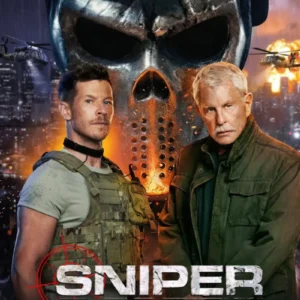
A rogue tactical team ventures deep into the dense jungles of South India. The film bravely trades generic explosions for a tense, claustrophobic psychological battle of wits.
Introduction to the Experience
When diving into the latest franchise installment, the highly anticipated karuppu mission, expectations within the critical community were undeniably mixed. Director James Palmer attempts to blend the gritty tactical realism of military thrillers with a deeply entrenched local cultural mystery set deep within the Indian subcontinent. The primary challenge here was balancing explosive combat sequences with a genuinely compelling narrative that doesn’t feel like cheap cultural appropriation.
Standard action flicks usually focus on relentless bullets and massive explosions, but this project zeroes in on a rogue operation where the enemy is a ghost-like local legend. The sheer tension of the karuppu narrative revolves entirely around conflicting intelligence reports and impossible strategic gambles. Does the film succeed as a gripping, emotionally resonant thriller?
For the most part, it actually does. Palmer meticulously crafts a tense, heavy atmosphere that effectively translates the immense pressure of covert jungle operations. However, the structural transition between the high-octane set pieces and the quieter local character beats isn’t entirely seamless.
Quick Facts
| Element | Production Detail |
|---|---|
| Director | James Palmer |
| Cinematographer | Michael Iron |
| Lead Cast | Chad Michael Collins, Suriya, Ryan Robbins |
| Runtime | 108 Minutes |
| Primary Focus | Tactical operations in South India |
Cinematography & Audio Engineering
Michael Iron’s cinematography in this cinematic release is exceptionally deliberate throughout the entire runtime. The camera work actively avoids sweeping, majestic establishing shots in favor of tight, suffocating close-ups of the sniper team navigating dense, unfamiliar terrain. This specific visual strategy successfully traps the audience inside the cramped jungle hides right alongside the protagonists.
The lighting design deserves specific praise for its brilliant storytelling utility. As the dreaded enemy mercenaries approach the perimeter, the lush environments grow noticeably dimmer and physically colder. This subtle, shifting color grading perfectly mirrors the escalating karuppu threat level as the team ventures deeper into hostile territory.
The original score is equally oppressive, acting as a constant, unforgiving ticking clock. Instead of relying on triumphant orchestral swells, the audio engineering leans heavily on traditional percussion instruments blended with low-frequency rumbles. You literally feel the approaching danger in your chest before the characters react to the rustling leaves on screen.
The sound mixing elevates the mundane into the absolutely terrifying. The snapping of twigs and the distant chanting are amplified to nerve-shredding levels. This auditory hyper-focus forces the viewer to experience the exact sensory overload burdening the highly trained characters.
Script Editing & Pacing Issues
Despite the genuinely excellent technical execution, the script noticeably struggles with uneven pacing. The dialogue is often incredibly sharp, but it frequently feels too heavily reliant on standard military exposition. Characters deliver perfectly articulated briefings that feel slightly unnatural on a gritty battlefield where silence is a weapon.
The editing room is where the structural weaknesses become most apparent to a trained critical eye. The first act moves at a breakneck speed, efficiently establishing the colossal stakes and the tense alliance between the foreign snipers and their local contacts. However, the second act sags heavily under the weight of repetitive stealth sequences.
We are forced to watch multiple, slightly varied scenes of the protagonist navigating the same dense foliage while debating operational ethics. While tactically accurate, these repetitive movements completely stall the narrative momentum. Tighter script editing could have easily condensed these sequences without losing the underlying tension.
Furthermore, the lack of spatial variety hurts the middle act immensely. Because the film remains so stubbornly locked within a few jungle sets, intense visual fatigue quickly sets in. A more ruthless editing approach could have injected much-needed breathing room into the exhausting loop.
The Impact of the karuppu Tactical Realism
One of the most difficult balancing acts in military cinema is maintaining factual integrity while delivering pure entertainment. This specific feature clearly prioritized tactical fidelity, heavily referencing actual surveillance protocols from modern combat operations. This dedication grounds the film in a stark, undeniable reality that genre fans will deeply appreciate.
However, this strict adherence to the facts occasionally suffocates the organic dramatic flow. Real-life surveillance is rarely as perfectly cinematic as fictionalized shootouts. By refusing to heavily embellish the core conflicts, the script occasionally sacrifices raw narrative drive for strict tactical accuracy.
That being said, the production design is remarkably authentic and visually stunning. The gear, weapons, and local village camouflage are recreated with obsessive attention to detail. This tactile authenticity helps sell the cinematic illusion, even when the underlying pacing feels slightly stagnant.
Acting Choices & Final Verdict
Chad Michael Collins anchors the film with a deeply internalized, brilliant performance as the isolated marksman leading the team. He conveys a crippling sense of responsibility through subtle nervous ticks and exhausted, hollow stares. It is an absolute masterclass in quiet, sustained, agonizing focus under immense fire.
Adding local star Suriya to the ensemble brings a remarkable, deeply affecting physical presence to the screen. His performance grounds the film, providing a crucial emotional tether for the otherwise cold, calculated military tactics. Ryan Robbins also shines immensely, bringing much-needed warmth and sharp intellect to the supporting cast.
However, the primary antagonist’s portrayal leans slightly too far into the arrogant mercenary stereotype. His performance feels unnecessarily loud and abrasive, clashing awkwardly with the grounded, subtle naturalism of Collins and Suriya’s exceptional work.
Ultimately, this highly anticipated release is a technically impressive but structurally flawed action thriller. It bravely trades traditional battlefield explosions for intimate, suspenseful character moments, creating a uniquely stressful viewing experience for this karuppu mission. While the pacing occasionally stumbles in the second act, the sheer power of the central bond makes it a mandatory watch.
James Palmer has proven once again that the most terrifying moments in war often happen in absolute silence. Despite its notable editing limitations, the film delivers profound emotional weight and lasting cinematic impact for anyone craving a serious tactical thriller.