Introduction to the Experience
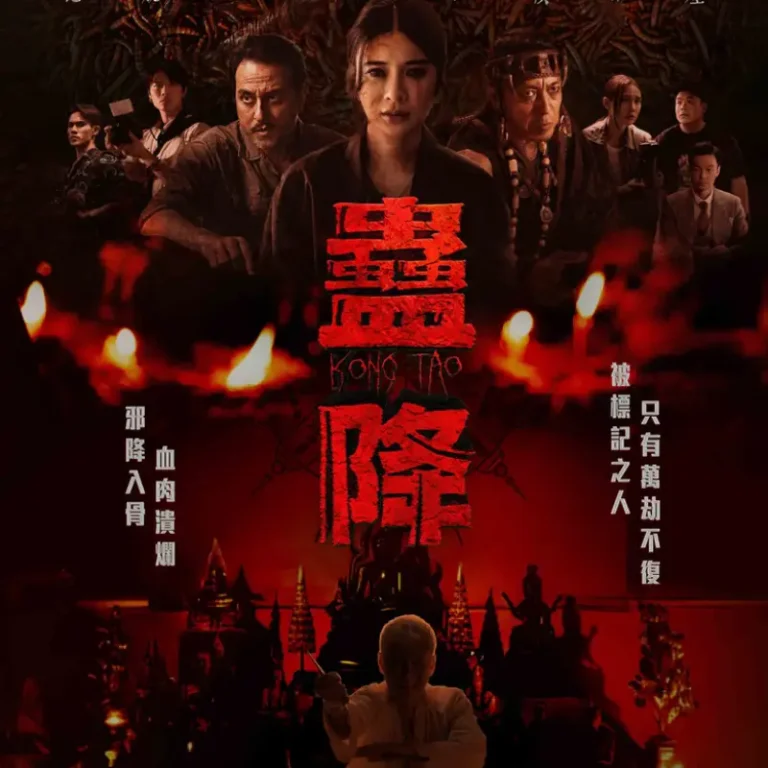
When diving into the highly anticipated 2026 kong tao movie, expectations within the Asian horror community were understandably astronomical. Director Banjong Pisanthanakun has built a formidable reputation for handling culturally specific supernatural narratives with incredible precision and care. The primary challenge here was adapting a localized island legend into a sprawling, accessible cinematic nightmare for global audiences.
Most contemporary island thrillers rely on generic slasher tropes or heavily CGI sea monsters to build tension. This specific project, however, locks its entire narrative inside a deeply rooted spiritual curse on a remote Thai island. The sheer tension revolves entirely around the agonizing, slow-burn corruption of the tourists’ minds as they realize they cannot simply leave.
Does the film succeed as a genuinely stressful psychological thriller? For the most part, it confidently hits the required emotional and horrific marks. Pisanthanakun meticulously crafts a heavy, suffocating atmosphere that perfectly translates the immense weight of the ancient spiritual violation. However, the structural transition from a sunny vacation drama to an outright supernatural siege isn’t entirely smooth.
Quick Facts
| Element | Production Detail |
|---|---|
| Director | Banjong Pisanthanakun |
| Cinematographer | Naruphol Chokanapitak |
| Lead Cast | Mario Maurer, Davika Hoorne, Narilya Gulmongkolpech |
| Runtime | 112 Minutes |
| Primary Focus | Ancient curses and cultural violation |
Cinematography & Audio Engineering
Naruphol Chokanapitak handles the cinematography with an exceptionally clever approach to the lush, tropical environments. The camera work actively avoids pulling back into generic drone shots, forcing instead tight, suffocating close-ups during the tourists’ frantic attempts to navigate the dense jungle. This specific visual strategy successfully traps the audience inside the suffocating humidity right alongside the desperate protagonists.
The lighting design deserves specific praise for its brilliant storytelling utility throughout the runtime. As the central curse begins to manifest, the warm, idyllic beach sunlight gradually shifts to harsh, sickly yellow and green hues. This subtle color grading perfectly mirrors the plummeting morale and rising sickness within the isolated tourist group.
The original score is surprisingly restrained, acting as a constant, unforgiving percussive rhythm rather than a traditional orchestral horror soundtrack. Instead of relying on triumphant swells, the audio engineering leans heavily on traditional Thai instruments mixed with low-frequency synthesizer rumbles. You physically feel the vibrating bass in your chest long before the cursed spirits make a threatening move.
The sound mixing elevates the mundane jungle environment into absolute terrors. The motorized whir of a failing boat engine and the unnatural rustling of the palm leaves are amplified to nerve-shredding levels. This auditory hyper-focus forces the viewer to experience the exact sensory overload burdening the frantic vacationers.
Script Editing & Pacing Issues
Despite the genuinely excellent visual presentation, the script noticeably struggles with uneven pacing in the second act. The dialogue is often incredibly sharp, but it frequently relies on forced exposition dumps by a local guide to explain the complex rules of the ancient magic. Characters deliver perfectly articulated lectures about spiritual karma that feel slightly unnatural given the chaotic, bloody setting.
The editing room is where the structural weaknesses become most apparent to a trained critical eye. The first act moves at a beautifully measured speed, efficiently establishing the colossal emotional stakes and the cultural disrespect that triggers the haunting. However, the middle portion sags heavily under the crushing weight of repetitive nightmare sequences.
We are forced to watch multiple, slightly varied scenes of the protagonists hallucinating in their hotel rooms. While visually terrifying, these repetitive dream sequences completely stall the present-day narrative momentum. Tighter script editing could have easily condensed these supernatural elements without losing the underlying psychological stakes.
Expanding the kong tao movie Universe
One of the most difficult balancing acts in a localized horror film is maintaining thematic consistency while keeping the threats physically grounded. The production design team prioritized practical, grotesque makeup effects over highly stylized, weightless digital ghosts. This grounded approach perfectly matches the desperate tone of tourists fighting a very physical, rotting manifestation of their own disrespect.
The climactic sequences within the flooded burial caves are undeniably the highlight of this ambitious project. These engagements unfold like a chaotic game of survival, requiring incredible physical stamina from the lead actors. The filmmakers wisely avoid rapid-fire editing cuts, letting the exhausting, clumsy panic play out in clear, wide frames.
However, the sheer durability of the cursed entities occasionally stretches the bounds of believability. It is difficult to maintain grounded realism when the spirits effortlessly shrug off massive physical damage. The horror is always at its most effective when the villain relies on psychological manipulation and the hostile environment rather than brute strength.
Acting Choices & Final Verdict
Mario Maurer anchors the film with a deeply physical, exhausted performance as the skeptical tourist who initially triggered the curse. He conveys a crippling sense of guilt through subtle nervous ticks and heavy, hollow stares. It is an absolute masterclass in conveying sustained, agonizing mental decay while trying to protect his friends.
Davika Hoorne brings a heavy, terrifying, and deeply fascinating energy to her role as she slowly succumbs to the spiritual possession. She brilliantly avoids standard demonic possession caricatures, instead playing a calculating intelligence that weaponizes her character’s existing insecurities. Narilya Gulmongkolpech also shines, bringing much-needed friction and sharp cultural intellect to the small ensemble.
Ultimately, this highly anticipated release is a technically impressive but structurally flawed supernatural thriller. If you want to watch a desperate group of outsiders fight against an ancient, localized evil, this kong tao movie provides a remarkably stressful viewing experience. While the pacing occasionally stumbles via nightmare montages, the sheer power of the central acting choices makes it a mandatory watch.
Leave a Review
Your email address will not be published. Required fields are marked *