Introduction to the Experience
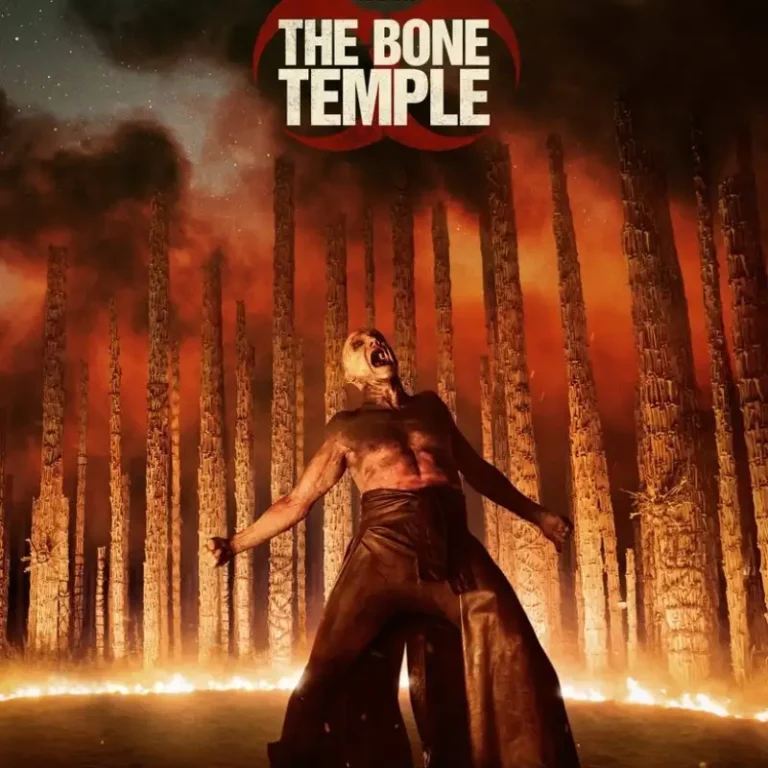
28 Years Later: The Bone Temple arrives in theaters just twenty-eight weeks after its predecessor, trading the stripped-down survival mechanics of the previous film for an abrasive study of ideological fanaticism. Directed by Nia DaCosta from a script by Alex Garland, this second installment in the new trilogy refuses to play it safe as a conventional zombie sequel. Instead, the production pivots sharply into psychological horror, questioning what happens when surviving humanity builds twisted belief systems atop the ruins of quarantined Britain.
For viewers searching for a comprehensive technical critique and wondering whether this middle chapter warrants a theatrical ticket, the answer depends heavily on your appetite for tonal experimentation. DaCosta shifts the focus away from the infected hordes toward the grotesque theater of human control, centering on a philosophical collision between science and cultish delusion. While this sideways narrative lunge sacrifices straightforward plot momentum, it delivers some of the most blistering sensory filmmaking in modern horror.
Quick Facts
| Attribute | Production Details |
|---|---|
| Title | 28 Years Later: The Bone Temple |
| Director | Nia DaCosta |
| Screenwriter | Alex Garland |
| Cinematographer | Sean Bobbitt |
| Composer | Hildur Guðnadóttir |
| Editor | Jake Roberts |
| Lead Cast | Ralph Fiennes, Jack O’Connell, Alfie Williams, Erin Kellyman |
| Runtime | 109 Minutes (1 hr 49 mins) |
| Release Date | January 16, 2026 |
Cinematography & Audio Engineering
The most immediate technical departure in 28 Years Later: The Bone Temple is the visual transition from Anthony Dod Mantle’s chaotic multi-camera digital rigs to Sean Bobbitt’s muscular, fluid widescreen framing. Bobbitt favors long, unbroken handheld tracking shots that anchor the viewer inside the claustrophobic geometry of the titular ossuary. Rather than relying on frantic shutter-speed tricks to manufacture panic, the camera holds unblinking and steady on moments of human brutality, forcing the audience to confront the physical weight of every violent encounter.
Lighting design plays a crucial storytelling role during the nocturnal third act. Cold, desaturated British daylight gives way to harsh firelight that casts towering, distorted shadows across thousands of stacked human skulls. This stark chiaroscuro palette visually reinforces Dr. Kelson’s calculated decision to weaponize theatrical fear against superstitious minds.
Matching Bobbitt’s visual discipline is a suffocating, experimental soundscape engineered around Hildur Guðnadóttir’s score. Abandoning the driving post-rock crescendos traditionally associated with the franchise, Guðnadóttir constructs a guttural acoustic environment out of bowed metal, distorted cello drones, and hollow percussive echoes. In the theater, the low-end frequency mix vibrates through the floorboards long before an infected alpha or cult member appears on screen, weaponizing silence and directional audio to keep nerves frayed.
Script Editing & Pacing Issues
Where the production stumbles is in its structural obligation to serve as the bridge of a planned trilogy. Alex Garland’s screenplay is far more interested in dissecting authoritarian belief systems and evolving virus pathology than in advancing the overarching narrative from point A to point B. Consequently, the second act suffers from noticeable pacing drag as the plot circles around philosophical standoffs inside isolated compounds.
Editor Jake Roberts keeps individual sequences razor-sharp, utilizing jagged match cuts and abrupt audio smash-cuts to maintain moment-to-moment tension. However, macro-level script editing leaves several character threads feeling oddly weightless. Young protagonist Spike, who carried the emotional core of the previous entry, is frequently sidelined for long stretches while the script prioritizes adult ideological battles.
Furthermore, expansions to the Rage Virus mythology—specifically the behavioral bond developing between Dr. Kelson and a massive infected figure—feel like unfulfilled setups for the upcoming finale rather than self-contained payoffs. Viewers expecting definitive answers or brisk forward momentum may leave frustrated by how intentionally incomplete the resolution feels.
How 28 Years Later: The Bone Temple Redefines Franchise Horror
Despite its middle-chapter stagnation, 28 Years Later: The Bone Temple succeeds brilliantly when operating as a dark, acidic satire of post-collapse leadership. DaCosta infuses the bleakness with pitch-black irony, illustrating how quickly desperate survivors trade rational survival for theatrical superstition. The infected remain lethal in brief, hyper-violent bursts, yet they function primarily as environmental hazards compared to the calculated cruelty of organized zealots.
This tonal boldness separates 28 Years Later: The Bone Temple from standard studio horror sequels. By treating fanaticism as an infection just as contagious as the biological pathogen, the filmmakers create an oppressive atmosphere that lingers well after the credits roll.
Acting Choices & Final Verdict
The dramatic engine of the film is powered by two fearless, diametrically opposed lead performances. Jack O’Connell avoids chewing the scenery as cult leader Jimmy Crystal, opting instead for a quiet, persuasive cadence that makes his character’s delusion genuinely chilling. O’Connell plays fanaticism with unblinking conviction, grounding Jimmy’s cruelty in a twisted, childish logic that keeps every scene he inhabits unpredictable.
Opposite him, Ralph Fiennes leans into grand, operatic theatricality as Dr. Kelson. Whether navigating a perilous scientific study of an infected specimen or coating himself in soot to wage psychological warfare, Fiennes commands the frame with ferocious physical commitment. Alfie Williams brings wounded resilience to Spike’s nightmare ordeal, doing strong reactive work even when the screenplay underutilizes his presence, while Erin Kellyman lends fierce physicality to the supporting ensemble.
Ultimately, 28 Years Later: The Bone Temple is a bruising, technically accomplished thriller that prioritizes visceral sensation and thematic bite over clean narrative progression. While second-act pacing issues and unfinished story arcs prevent it from surpassing the franchise’s original masterpiece, Nia DaCosta’s muscular direction and the magnetic duel between Fiennes and O’Connell make it essential viewing for serious horror fans.
Leave a Review
Your email address will not be published. Required fields are marked *